
Get Drywell Service in Great Falls, MT
Drywell service providers in Great Falls, MT, handle installation, repair, and maintenance of underground drainage systems to prevent flooding and manage wastewater effectively.
Drywell services are an essential part of maintaining proper drainage and preventing water-related issues on property sites in Great Falls, MT. Property owners often explore these services to ensure effective management of stormwater, protect foundations, and avoid potential water damage that can lead to costly repairs. By considering local contractors who specialize in drywell installation and maintenance, property owners can find practical solutions tailored to the unique needs of their land and infrastructure.
Exploring options for drywell services involves comparing the offerings of various local service providers to identify experienced and reliable contractors. Understanding the scope of work and the types of solutions available can help property owners plan upcoming projects with confidence. Continuing to read can provide valuable insights into how local professionals can assist in safeguarding properties and supporting long-term drainage management in the Great Falls area.
- Drywell Installation - needed when installing new drainage systems in residential or commercial properties.
- Drywell Maintenance - required to ensure proper function and prevent backups in existing drainage setups.
- Drainage System Repair - necessary when experiencing water pooling or flooding in yards or basements.
- Drainage System Inspection - useful for identifying issues before they cause property damage or drainage failures.
- Drainage System Replacement - appropriate when existing drywells become outdated or no longer perform effectively.


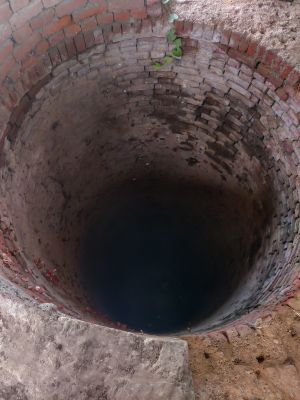
Drywell services involve the installation, maintenance, and repair of underground drainage systems designed to manage excess water on a property. These systems typically include drywells, which are large, perforated containers placed below ground to collect and disperse stormwater or excess groundwater. Properly functioning drywells help prevent surface pooling, reduce the risk of flooding, and protect foundations from water damage by directing water away from the property’s structure and landscaping.
This service is particularly useful in areas prone to heavy rainfall or where soil absorption is limited. Common problems that drywell services address include frequent surface flooding after storms, water pooling around the foundation, and drainage issues that can lead to basement leaks or erosion. By installing or repairing drywells, property owners can effectively manage runoff, reduce standing water, and safeguard their property from water-related issues that can cause long-term damage and costly repairs.
Properties that typically utilize drywell services include residential homes, especially those with large yards or sloped terrain, as well as commercial buildings and community facilities. Homes with poor drainage or inadequate existing systems often benefit from drywells to improve water management. Commercial properties, such as retail centers or industrial sites, may also require these systems to handle larger volumes of stormwater efficiently. Overall, any property experiencing drainage challenges or seeking to improve water runoff control might consider drywell services.
Professional drywell contractors are equipped to assess a property’s specific drainage needs and recommend appropriate solutions. They handle the installation of new drywells, perform routine inspections, and carry out repairs to ensure systems function correctly over time. Engaging experienced service providers can help property owners prevent water accumulation issues, protect structural integrity, and maintain a dry, safe outdoor environment. Contacting local contractors for drywell services is a practical step for anyone facing persistent drainage problems or planning improvements to their property’s water management system.
The overview below groups typical Drywell Service projects into broad ranges so you can see how smaller, mid-sized, and larger jobs often compare in Great Falls, MT.
In many markets, a large share of routine jobs stays in the lower and middle ranges, while only a smaller percentage of projects moves into the highest bands when the work is more complex or site conditions are harder than average.
Smaller Repairs - Typical costs for minor drywell repairs or maintenance in the Great Falls area range from $250 to $600. Many routine jobs fall within this middle range, with fewer projects reaching the higher end of the spectrum. Local contractors often handle these smaller jobs efficiently and affordably.
Partial Replacement - Replacing a section of a drywell or upgrading components usually costs between $1,000 and $3,000. Larger, more involved projects tend to push into the upper part of this range, depending on the scope and materials needed. Many local service providers can accommodate these mid-sized projects.
Full Replacement - Complete drywell replacements in the Great Falls area typically cost from $4,000 to $8,000. Projects at this scale are less common and often involve more extensive excavation or custom solutions. Local contractors can handle these larger, more complex jobs.
Large or Complex Projects - Extensive drywell system overhauls or installations can reach $10,000 or more, especially for customized or high-capacity systems. These projects are less frequent and usually require specialized expertise from local service providers. Costs can vary significantly based on site conditions and system requirements.
Actual totals will depend on details like access to the work area, the scope of the project, and the materials selected, so use these as general starting points rather than exact figures.
Septic System Installation - Local contractors experienced in septic system installation utilize similar planning, excavation tools, and underground piping techniques as drywell services.
Drain Field Repair - Repairing and maintaining drain fields requires knowledge of soil conditions, drainage planning, and the use of specialized excavation equipment similar to drywell installation.
Underground Utility Installation - Installing underground utilities involves trenching, soil assessment, and careful planning, paralleling the skills used in drywell system setup.
Stormwater Management Systems - Designing and installing stormwater drainage solutions involves site assessment, piping layout, and excavation skills comparable to drywell services.
Water Drainage Solutions - Implementing effective water drainage systems requires knowledge of grading, soil types, and underground piping, similar to drywell installation processes.
Soil Testing and Site Assessment - Conducting soil tests and site evaluations helps determine suitable locations for drywells and related underground systems, requiring similar planning skills.
When comparing service providers for drywell services in Great Falls, MT, it’s important to consider their experience with similar projects. Homeowners should look for local contractors who have a proven track record handling drywell installations or repairs comparable to the scope of the work needed. Asking about past projects can provide insight into their familiarity with local soil conditions and building codes, helping to ensure the chosen professional understands the specific requirements of the area.
Clear, written expectations are essential to a smooth working relationship. Homeowners should seek out service providers who can offer detailed descriptions of the work scope, materials, and responsibilities upfront. This transparency helps prevent misunderstandings and ensures everyone is aligned on project goals. A well-defined plan also makes it easier to evaluate proposals and compare different local contractors based on the completeness and clarity of their communication.
Reputable references and effective communication are key factors when selecting a drywell service provider. Homeowners are encouraged to ask for references from recent clients who had similar work completed. This can reveal insights into the contractor’s professionalism, reliability, and quality of work. Additionally, good communication-whether through prompt responses, clarity in explanations, or willingness to answer questions-can make the process more straightforward and less stressful. It’s important to remember that this site introduces homeowners to local options; it does not perform the work itself.
Property owners in Great Falls, MT use Drywell Service services for practical projects around their homes and businesses. This guide focuses on everyday jobs and straightforward project options.


Drywell services are often needed when property owners in Great Falls, MT, notice issues with drainage or experience water pooling around their foundations. Whether installing a new drywell to manage runoff from heavy rain or replacing an aging system that no longer functions properly, local contractors can help ensure proper water management to protect the property. These services are commonly sought after during home renovations, landscaping projects, or after significant weather events that lead to increased water accumulation.
Homeowners might also look for drywell services when preparing for seasonal changes or addressing drainage concerns that could cause basement flooding or foundation damage. Local service providers can assess existing drainage systems and recommend appropriate solutions to improve water flow away from the property. This type of work is often part of broader efforts to maintain the integrity of residential or commercial properties, especially in areas where heavy rain or snowmelt can challenge drainage systems.
What is a drywell and how does it work? A drywell is an underground structure that helps manage excess water by allowing it to drain away safely, reducing pooling and flooding around a property.
When should I consider installing a drywell? A drywell may be recommended if your property experiences frequent surface water accumulation or if your drainage system needs additional water dispersal options.
Are drywells suitable for all types of soil? Drywells work best in well-draining soils; in areas with heavy clay or poor drainage, additional site assessment may be necessary to ensure effectiveness.
How do local contractors install a drywell? Installation typically involves excavating a hole, placing the drywell unit, and connecting it to existing drainage systems to facilitate water flow underground.
What maintenance is required for a drywell? Regular inspection and removal of debris can help maintain proper function, and some installations may need periodic cleaning to prevent clogging.
Drainage System Maintenance - Property owners can ensure proper water flow around their homes by having local contractors inspect and maintain drywells regularly.
Drywell Installation - Installing a drywell can help manage excess rainwater runoff during heavy storms, preventing pooling and flooding.
Leak Detection and Repair - Detecting and fixing leaks in existing drywells can improve drainage efficiency and reduce water accumulation issues.
Soil and Site Assessment - A site evaluation by local service providers can determine the best location and type of drywell system for effective water management.
If you are thinking about Drywell Service for a property in Great Falls, MT, this guide is meant to help you understand the work, the typical project types, and how different options might fit your plans.
When you are ready, you can use the quote form on this page to share a few details about your project. From there, local pros can review the basics and respond with options that match what you have in mind.