
Get Barn Drainage Installation in Great Falls, MT
Barn drainage installation services for Great Falls property owners address flooding, soil erosion, and water pooling issues through expert trenching, piping, and drainage system setup.
Proper drainage is essential for maintaining the integrity and functionality of properties in Great Falls, MT. Effective barn drainage installation helps prevent water accumulation, reduces soil erosion, and protects structures from potential water damage. Property owners exploring drainage solutions often seek reliable local contractors who understand the unique terrain and climate considerations in the area. Continuing to read can provide insights into how professional installation services can support long-term property health and stability.
When planning drainage projects, it's important to compare options offered by experienced service providers in the community. Local contractors can assess specific site conditions and recommend tailored solutions that address drainage challenges effectively. By exploring available services, property owners can find experienced professionals capable of delivering practical, durable drainage systems designed to meet the needs of farms, stables, and other rural properties in Great Falls and surrounding areas.
- Residential Drainage Installation - homeowners in neighborhoods like Highland Park may need this service to prevent basement flooding.
- Commercial Drainage Systems - businesses in busy commercial districts might require effective drainage solutions to manage stormwater runoff.
- Yard and Garden Drainage - property owners with soggy lawns or standing water in areas such as the Northside may seek drainage installation.
- New Construction Drainage Planning - builders working on developments in outlying areas need proper drainage systems to ensure site stability.
- Flood Prevention Drainage - residents in flood-prone zones like the West End may look for local contractors to install reliable drainage infrastructure.
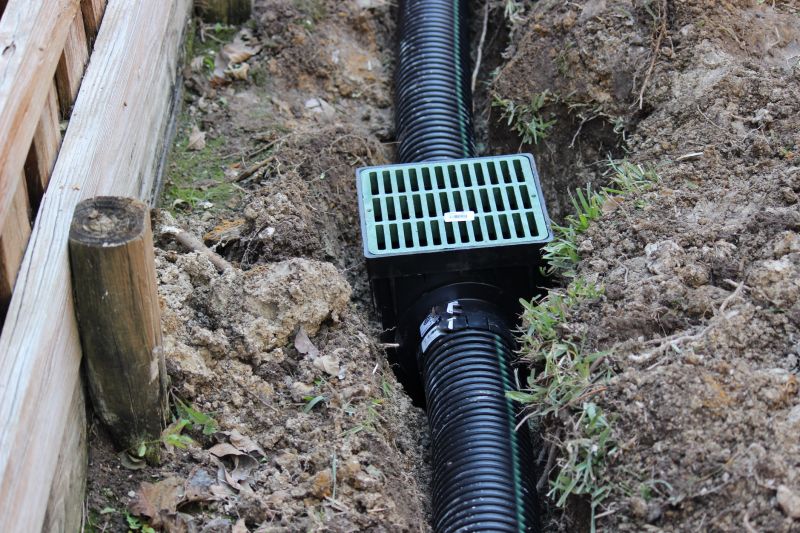
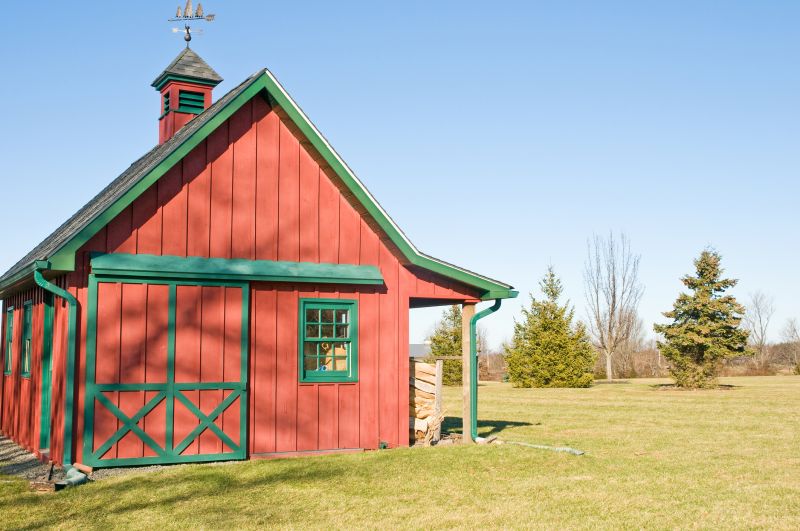
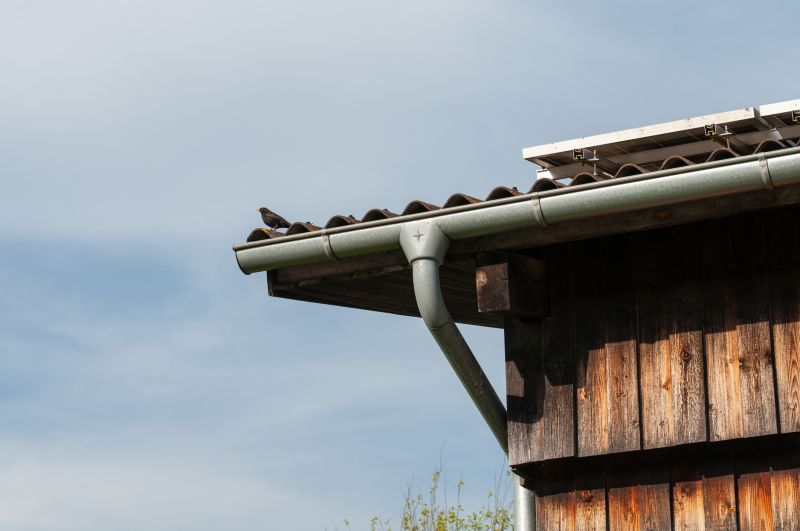
Barn drainage installation services involve creating a system to effectively manage excess water around agricultural or rural properties. This process typically includes assessing the land’s topography, planning the layout of drainage channels or pipes, and installing underground or surface drainage solutions. The goal is to direct water away from barns, livestock areas, or other structures to prevent water accumulation that could lead to flooding, soil erosion, or property damage. Experienced contractors use specialized equipment and techniques to ensure the drainage system functions properly and integrates seamlessly with the existing landscape.
This service helps resolve common problems associated with poor drainage, such as water pooling around buildings, muddy or unstable ground, and increased risk of structural damage. Excess water can create unsafe conditions for animals and workers, contribute to the growth of mold or mildew, and compromise the integrity of foundations. Installing a well-designed drainage system can also improve the overall health of the land, making it easier to maintain pasture areas and prevent long-term soil degradation. Property owners dealing with frequent flooding or soggy grounds often find barn drainage installation to be a practical solution.
Barn drainage installation is often needed for a variety of property types, particularly farms, ranches, and rural homesteads. These properties typically have large open spaces and are more prone to water runoff issues due to their size and natural landscape. Agricultural buildings, livestock shelters, and equipment storage facilities are common structures that benefit from proper drainage. Even larger residential properties with extensive land may require drainage solutions if they experience persistent water problems. Local service providers are equipped to evaluate the specific needs of each property and design tailored drainage systems to improve land usability and protect structures.
Homeowners or property managers who notice water pooling near their barns, stalls, or other outbuildings should consider consulting local contractors for barn drainage installation. This service can be an essential step in preventing water-related damage and maintaining a safe, functional environment for animals and equipment. Proper drainage not only reduces the risk of flooding but also enhances the overall condition of the land, making routine maintenance easier and more effective. Connecting with experienced service providers can help identify the best drainage solutions for each property’s unique needs, ensuring long-term protection and peace of mind.
The overview below groups typical Barn Drainage Installation projects into broad ranges so you can see how smaller, mid-sized, and larger jobs often compare in Great Falls, MT.
In many markets, a large share of routine jobs stays in the lower and middle ranges, while only a smaller percentage of projects moves into the highest bands when the work is more complex or site conditions are harder than average.
Smaller Repairs - Typical costs for minor barn drainage fixes in Great Falls range from $250 to $600. Many routine repairs fall within this range, covering tasks like clearing clogs or fixing small sections of drainage pipe.
Partial Drainage System Installation - Installing or upgrading parts of a barn drainage system often costs between $1,000 and $3,000. Larger, more complex projects can reach $4,000 or more, though most projects land in the middle of this range.
Full Drainage System Replacement - Complete replacements for barn drainage systems generally cost from $4,000 to $8,000. These projects tend to be on the higher end, especially for larger barns or properties with challenging site conditions.
Custom or Complex Projects - Highly customized or extensive drainage solutions can exceed $10,000, especially for large-scale or difficult terrain projects. Such jobs are less common and typically involve detailed planning and specialized equipment.
Actual totals will depend on details like access to the work area, the scope of the project, and the materials selected, so use these as general starting points rather than exact figures.
Garden Drainage Solutions - local contractors can install effective drainage systems to prevent water pooling and soil erosion in landscaped areas.
Foundation Drainage Systems - experts can design and install drainage solutions to protect building foundations from excess moisture and water damage.
Surface Water Management - service providers can create surface runoff channels and drainage plans to direct stormwater away from structures and pathways.
Sump Pump Installation - local pros can set up sump pump systems to manage groundwater levels and prevent basement flooding.
Agricultural Drainage Projects - specialists can develop drainage plans for farmland to improve crop health and soil stability.
Retaining Wall Drainage - contractors can incorporate drainage solutions into retaining walls to reduce hydrostatic pressure and soil movement.
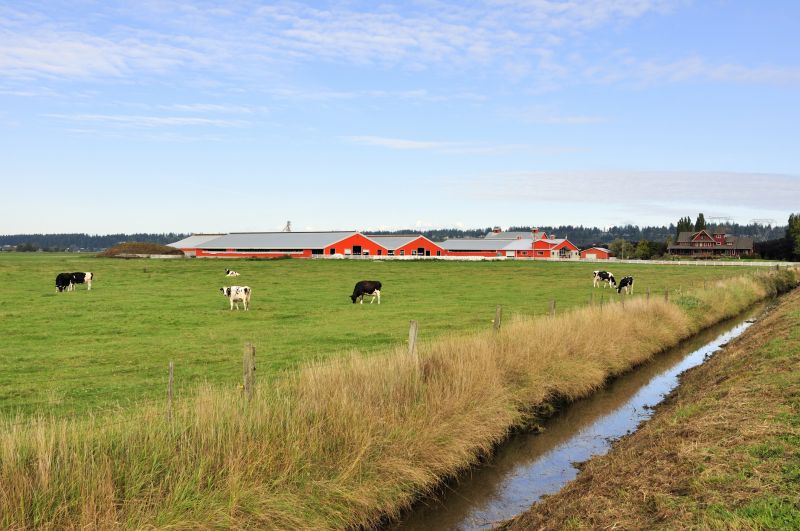
When comparing contractors for barn drainage installation, it’s important to consider their experience with similar projects in the Great Falls area. Homeowners should look for service providers who have a proven track record of successfully completing barn drainage systems or related work in rural or agricultural settings. Asking about past projects can help gauge their familiarity with the unique challenges of barn sites, such as managing water flow around livestock areas or working with specific soil types common to the region. An experienced contractor is more likely to understand the nuances of effective drainage solutions tailored to local conditions.
Clear, written expectations are essential to ensure that both the homeowner and the contractor are aligned on the scope of work. When evaluating local contractors, it’s beneficial to request detailed proposals or written estimates that outline the tasks involved, materials to be used, and the anticipated outcomes. Having this information in writing helps prevent misunderstandings and provides a reference point throughout the project. Good communication about expectations also includes discussing how issues or changes will be handled, which can contribute to a smoother process from start to finish.
Reputable references and effective communication are key indicators of a reliable service provider. Homeowners should seek out local contractors who can provide references from past clients, especially those who have completed barn drainage or similar projects nearby. Talking to previous customers can offer insights into the contractor’s reliability, work quality, and professionalism. Additionally, a contractor’s ability to communicate clearly and promptly addresses questions or concerns is a strong sign of their commitment to customer satisfaction. Prioritizing service providers with strong reputations and open lines of communication can help ensure a successful barn drainage installation.
Property owners in Great Falls, MT use Barn Drainage Installation services for practical projects around their homes and businesses. This guide focuses on everyday jobs and straightforward project options.
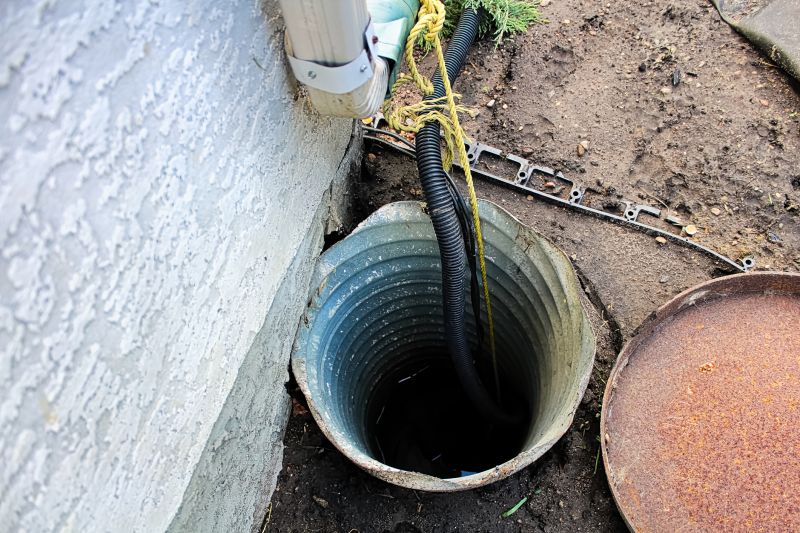
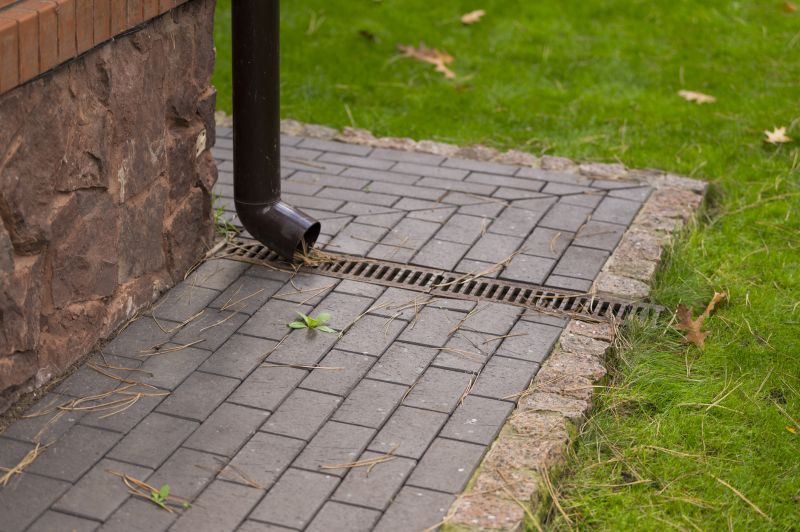
Barn drainage installation is a common project for property owners in Great Falls, MT, especially for those with livestock or agricultural operations. When heavy rains or rapid snowmelt occur, standing water or excessive moisture can create issues around barns and outbuildings, potentially affecting the health of animals and the stability of the structures. Local contractors experienced in drainage solutions can assess the property and recommend appropriate systems to help manage water flow effectively, reducing the risk of flooding and water damage.
Property owners in the area might seek barn drainage services to prevent soil erosion, improve pasture conditions, or prepare land for future use. Poor drainage can lead to muddy, unusable areas and may cause structural problems over time. Local service providers who specialize in drainage installation can handle these everyday situations by designing and installing systems tailored to the specific needs of farms and rural properties, helping to maintain safe and functional outdoor spaces.
What is involved in installing a barn drainage system? Installing a barn drainage system typically includes assessing the site, designing an appropriate drainage plan, and installing pipes or channels to direct water away from the barn foundation to prevent flooding and water damage.
Why is proper barn drainage important? Proper drainage helps prevent water accumulation around the barn, reducing the risk of foundation issues, erosion, and moisture-related problems that can affect the structure and stored equipment.
How do local contractors determine the best drainage solution for a barn? Local contractors evaluate factors such as soil type, land slope, rainfall patterns, and existing drainage to recommend effective solutions tailored to the specific property.
What types of drainage systems are commonly used for barns? Common options include French drains, surface channels, sump pumps, and underground piping systems designed to efficiently redirect water away from the barn area.
Can barn drainage installation be customized to different property layouts? Yes, drainage solutions can be customized to fit various property shapes, sizes, and specific water management needs, ensuring effective water control around the barn.
Preventing Water Damage - Proper barn drain installation helps direct excess water away from the structure, reducing the risk of flooding or foundation issues during heavy rains.
Managing Stormwater Runoff - Installing effective drainage solutions allows property owners to control runoff and protect outdoor areas from erosion.
Maintaining Stable Soil Conditions - Proper drainage systems help keep soil around the barn dry, preventing mud buildup and improving safety for daily activities.
Preparing for Seasonal Changes - Drainage installation can be part of seasonal property planning to ensure water flows away efficiently during snowmelt or rainy seasons.
If you are thinking about Barn Drainage Installation for a property in Great Falls, MT, this guide is meant to help you understand the work, the typical project types, and how different options might fit your plans.
When you are ready, you can use the quote form on this page to share a few details about your project. From there, local pros can review the basics and respond with options that match what you have in mind.