
Get Dry Well Installation in Great Falls, MT
Dry well installation services help Great Falls property owners manage excess water from downspouts, foundation drains, or irrigation systems by providing effective drainage solutions through skilled local contractors.
Property owners in Great Falls, MT, seeking reliable dry well installation services can find valuable support by exploring local contractors experienced in managing drainage solutions. Properly installed dry wells help improve water management around residential and commercial properties, reducing the risk of flooding and foundation issues. As part of planning a property improvement project, comparing different local service providers ensures access to experienced professionals who understand the specific drainage needs of the Great Falls area.
Continuing to explore options allows property owners to gather information on the services available from nearby contractors, helping to make informed decisions for their projects. Whether upgrading existing drainage systems or installing new dry wells, working with trusted local service providers can contribute to the long-term stability and functionality of a property’s water management system. Keep reading to learn more about how local experts can assist with dry well installation needs.
- Dry Well Installation - needed when excess surface water needs to be effectively diverted away from residential or commercial properties.
- Drainage System Upgrades - required to improve water management after heavy rains or flooding in neighborhoods like Belt Creek.
- Water Management Solutions - essential for properties experiencing persistent pooling or poor drainage in areas such as the North Hills.
- Stormwater Drainage Services - necessary when existing drainage systems are overwhelmed during storm events in the Great Falls area.
- Water Table Management - important for properties with high water tables that threaten foundation stability or basement flooding.
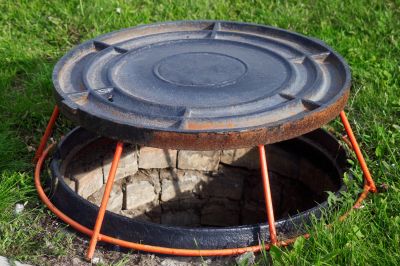
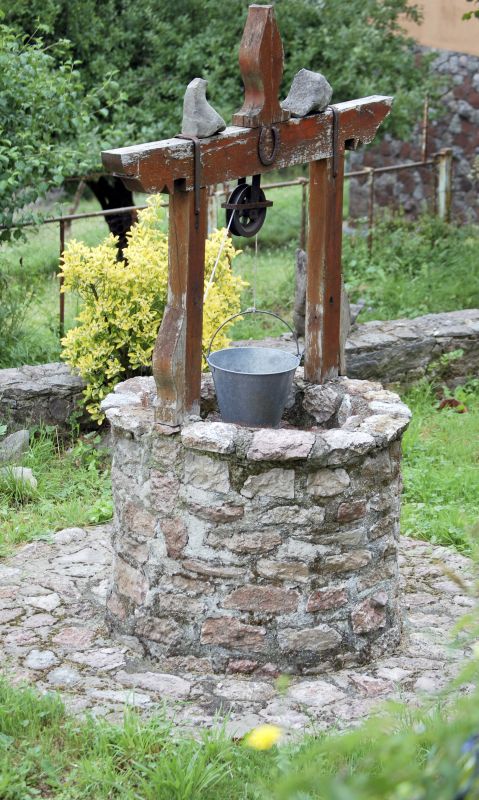
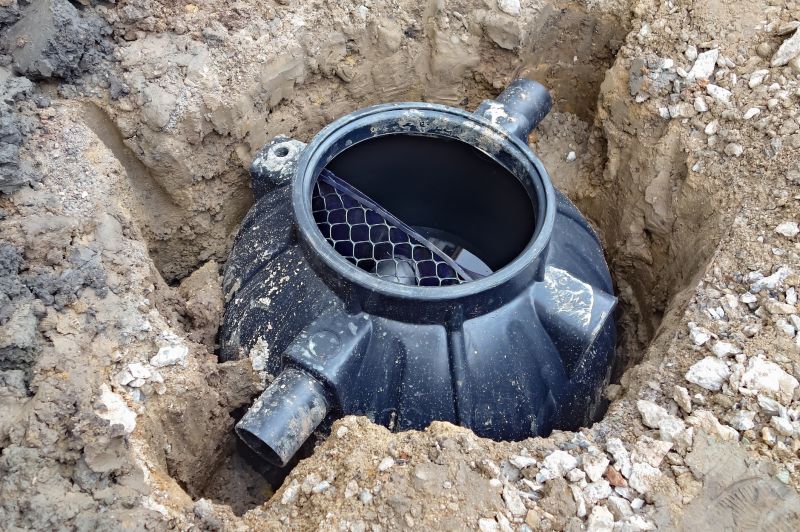
Dry well installation services involve setting up specialized underground systems designed to manage excess water on a property. These systems typically consist of a perforated pipe surrounded by gravel or other media that allows water to flow away from the foundation or low-lying areas. Once installed, the dry well collects and redirects water, helping to prevent pooling, flooding, and water damage during heavy rainstorms or rapid snowmelt. Professional contractors assess the property’s drainage needs and install a system that effectively channels water away from critical areas, providing a reliable solution to ongoing drainage issues.
This service is particularly helpful for addressing problems caused by poor drainage around a home or commercial property. When water tends to collect near the foundation, it can lead to basement flooding, foundation cracks, or mold growth. Excess water in yards or gardens can also cause erosion or damage to landscaping. Installing a dry well helps to alleviate these issues by providing a designated spot for water to safely drain underground, reducing the risk of water-related damage and improving overall property stability.
Properties that often require dry well installation include homes with inadequate existing drainage systems, properties situated on slopes where water runoff is problematic, and areas prone to frequent heavy rainfall or snowmelt. Additionally, properties with expansive gardens or landscaped yards may benefit from a dry well to manage excess water without damaging plantings. Commercial sites, such as parking lots or outdoor event spaces, may also need these systems to maintain safe and functional outdoor environments, especially in locations like Great Falls, MT, where seasonal weather can lead to drainage challenges.
Homeowners can recognize the need for dry well installation when experiencing persistent pooling of water after storms, water seeping into basements, or erosion around the property’s edges. If traditional drainage methods are insufficient or have failed over time, a dry well can offer a practical solution. Local contractors who specialize in drainage and excavation services can evaluate the property’s specific needs and install a system that effectively manages water runoff. Contacting experienced service providers ensures that properties are protected from water damage and drainage problems, especially in areas with challenging terrain or weather conditions.
The overview below groups typical Dry Well Installation projects into broad ranges so you can see how smaller, mid-sized, and larger jobs often compare in Great Falls, MT.
In many markets, a large share of routine jobs stays in the lower and middle ranges, while only a smaller percentage of projects moves into the highest bands when the work is more complex or site conditions are harder than average.
Smaller Repairs - Typical costs for minor dry well repairs or maintenance in Great Falls range from $250-$600. Many routine jobs fall within this middle range, depending on the scope of work and materials needed. Fewer projects reach the higher end of this spectrum.
Standard Installation - Installing a new dry well usually costs between $1,200 and $3,000 for most local projects. This range covers common residential installations and is where most service providers price their services. Larger or more complex installations can go beyond this range.
Full Replacement - Replacing an existing dry well with a new system typically costs from $3,500 to $6,500. Projects at this level tend to involve additional site work or challenging soil conditions, which can push costs higher.
Large or Custom Projects - Extensive drainage systems or custom-designed dry wells can exceed $7,000 and may reach $10,000+ for very complex or large-scale projects. These are less common and usually involve specialized site considerations or multiple system components.
Actual totals will depend on details like access to the work area, the scope of the project, and the materials selected, so use these as general starting points rather than exact figures.
Drainage System Installation - local contractors can install comprehensive drainage systems to manage water flow, similar to the planning and excavation skills used in dry well installation.
Basement Waterproofing - waterproofing projects require expertise in soil assessment and water diversion methods, aligning with the skills needed for dry well setup.
Stormwater Management Solutions - designing and installing stormwater management systems involves site assessment and underground infrastructure work comparable to dry well services.
Sump Pump Installation - installing sump pumps involves excavation and drainage planning, which are also essential in dry well installation projects.
French Drain Installation - creating French drains requires trenching and water diversion techniques similar to those used in dry well setups.
Foundation Drainage Systems - installing foundation drainage involves soil assessment and underground piping work, paralleling dry well installation skills.
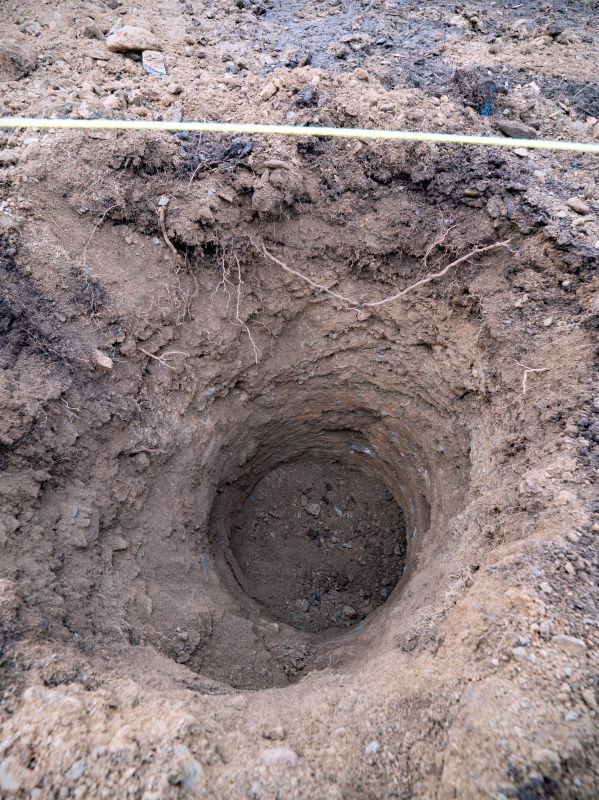
When comparing contractors for dry well installation, it’s important to consider their experience with similar projects in the Great Falls area. Homeowners should look for service providers who have a proven track record of successfully completing dry well installations in environments comparable to their own property. This ensures that the contractor understands local soil conditions, drainage challenges, and the specific requirements of the region, leading to a more reliable and effective solution.
Clear, written expectations are a key factor in choosing the right service provider. Homeowners should seek contractors who can provide detailed proposals that outline the scope of work, materials to be used, and the steps involved in the installation process. Having a comprehensive plan helps prevent misunderstandings and ensures that both parties are aligned on the project’s goals, making it easier to evaluate bids and make informed decisions.
Reputable references and good communication are essential when selecting local contractors for dry well installation. Homeowners are encouraged to ask for references from previous clients who had similar work done, and to verify the quality of the contractor’s past projects. Additionally, service providers who communicate clearly and promptly can better address questions or concerns throughout the process, fostering a smoother experience. Remember, this site introduces homeowners to local options, but the actual work is performed by trusted contractors who can handle the project professionally.
Property owners in Great Falls, MT use Dry Well Installation services for practical projects around their homes and businesses. This guide focuses on everyday jobs and straightforward project options.
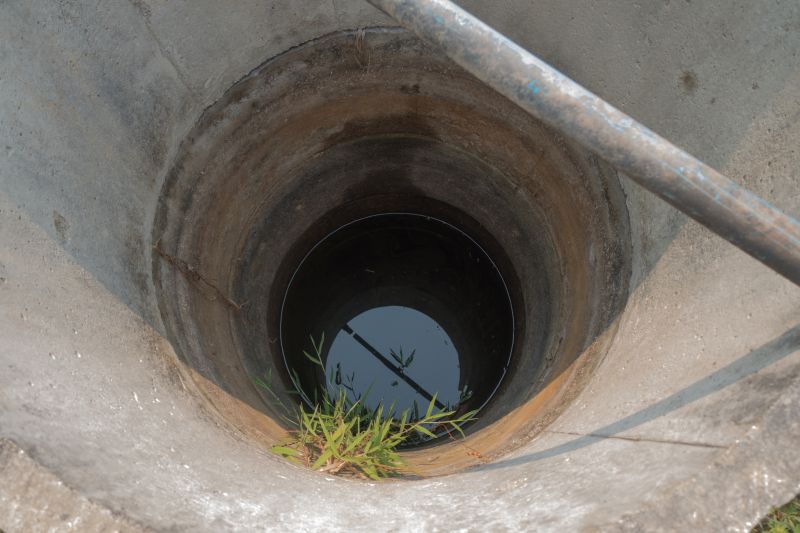
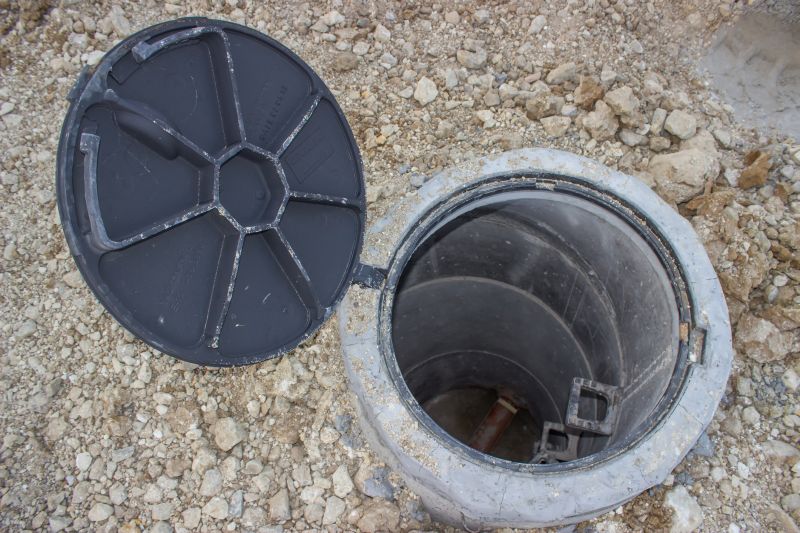
Dry well installation services are often needed by property owners in Great Falls, MT, who experience issues with their existing water supply systems. For example, if a well has dried up or stopped producing enough water, local contractors can provide solutions to restore water access without the need for extensive excavation or new drilling. Homeowners with properties that rely on well water may also seek these services when installing a new well to ensure a reliable water source for household needs, irrigation, or livestock.
Additionally, property owners might look for dry well installation when upgrading or replacing outdated systems that no longer function efficiently. In areas where the water table fluctuates or seasonal changes impact water availability, local service providers can help install systems designed to manage excess water or improve drainage. These projects are common in Great Falls, where maintaining consistent water flow and preventing drainage issues are important for property upkeep and functionality.
What is a dry well and how does it work? A dry well is an underground structure designed to manage excess water runoff by directing it away from foundations and preventing pooling. It works by allowing water to seep into the surrounding soil gradually, reducing surface water accumulation.
Why might someone need a dry well installed? Dry wells are useful in areas with poor drainage, frequent pooling, or heavy rainfall, helping to protect property foundations and reduce erosion by effectively managing stormwater runoff.
What types of dry wells are available for installation? There are several types, including gravel-filled dry wells, plastic chambers, and perforated pipe systems, each suited to different soil conditions and water flow needs.
How do local contractors typically install a dry well? Contractors usually excavate a suitable area, install the chosen dry well system, and backfill with gravel or other permeable material to ensure proper water flow and stability.
What factors influence the placement of a dry well? Placement depends on the property's slope, drainage patterns, soil permeability, and proximity to structures, all aimed at optimizing water runoff management.
Preventing Water Accumulation - Installing a dry well can help manage excess rainwater runoff, protecting driveways and lawns from pooling.
Managing Drainage for Landscaping - A dry well provides an effective way to direct water away from garden beds and foundation areas.
Reducing Soil Erosion - Using a dry well can help control water flow on sloped properties, minimizing soil erosion and damage.
Supporting Water Management Systems - Dry wells can be integrated into existing drainage plans to improve overall property water control.
If you are thinking about Dry Well Installation for a property in Great Falls, MT, this guide is meant to help you understand the work, the typical project types, and how different options might fit your plans.
When you are ready, you can use the quote form on this page to share a few details about your project. From there, local pros can review the basics and respond with options that match what you have in mind.